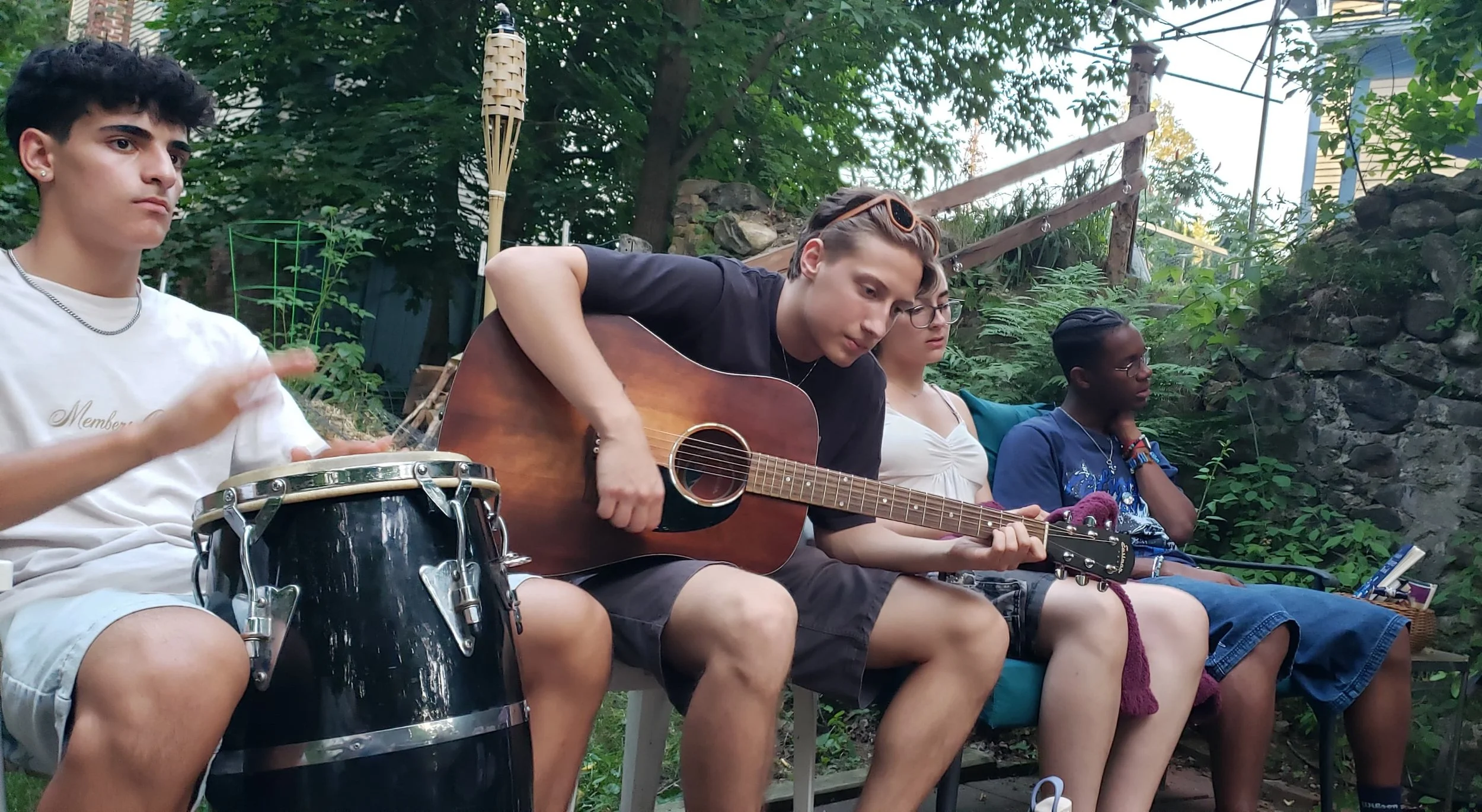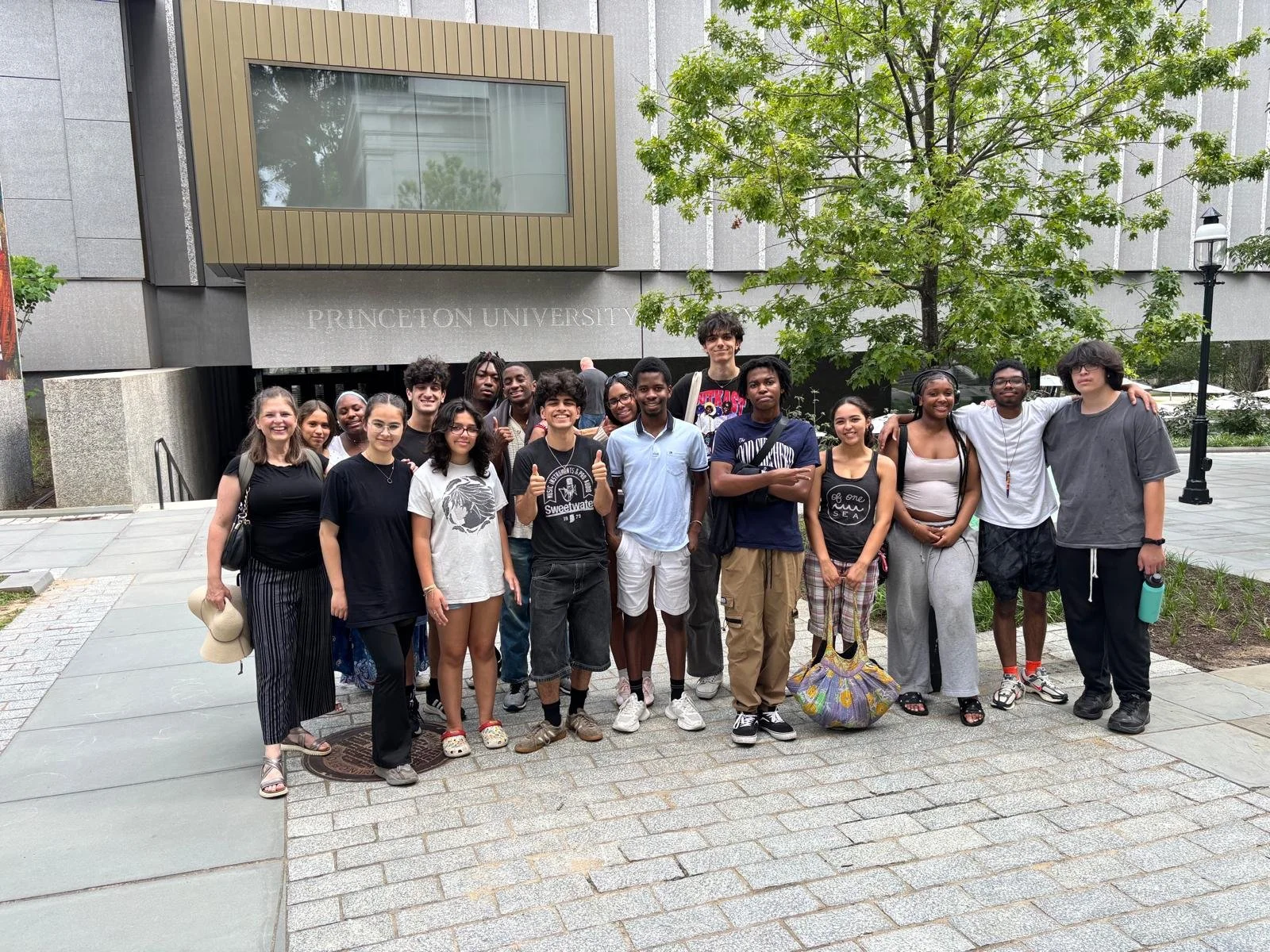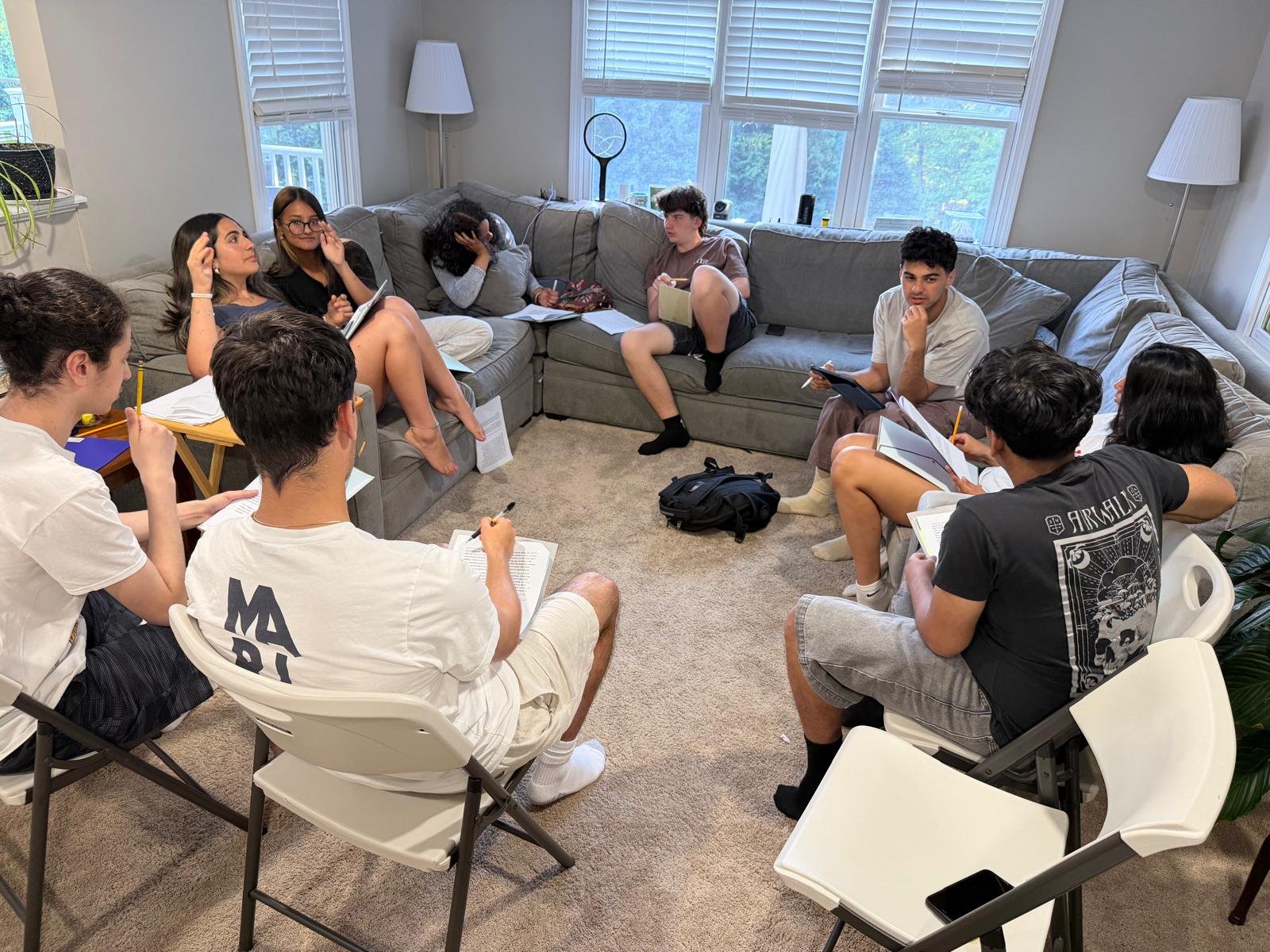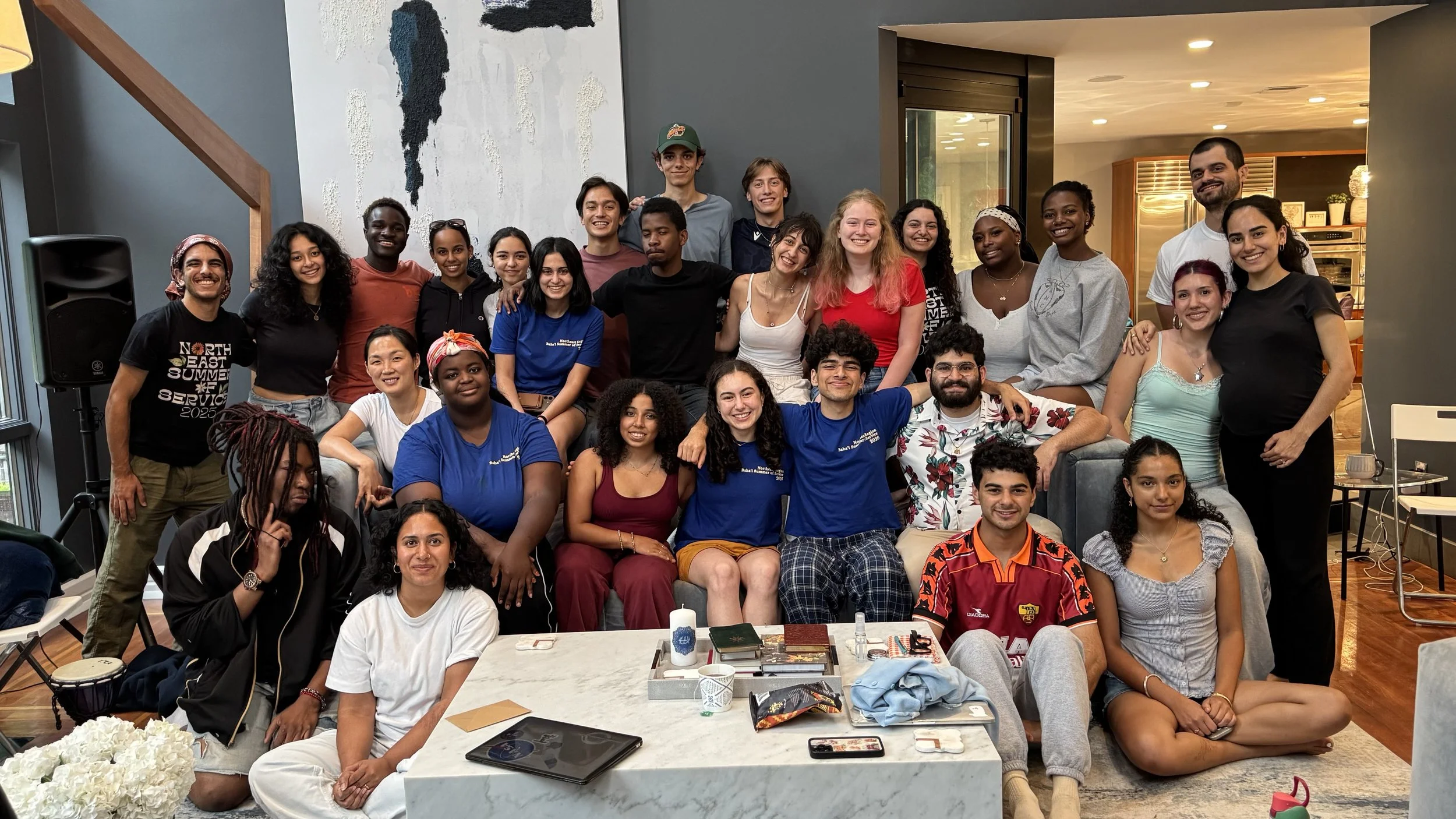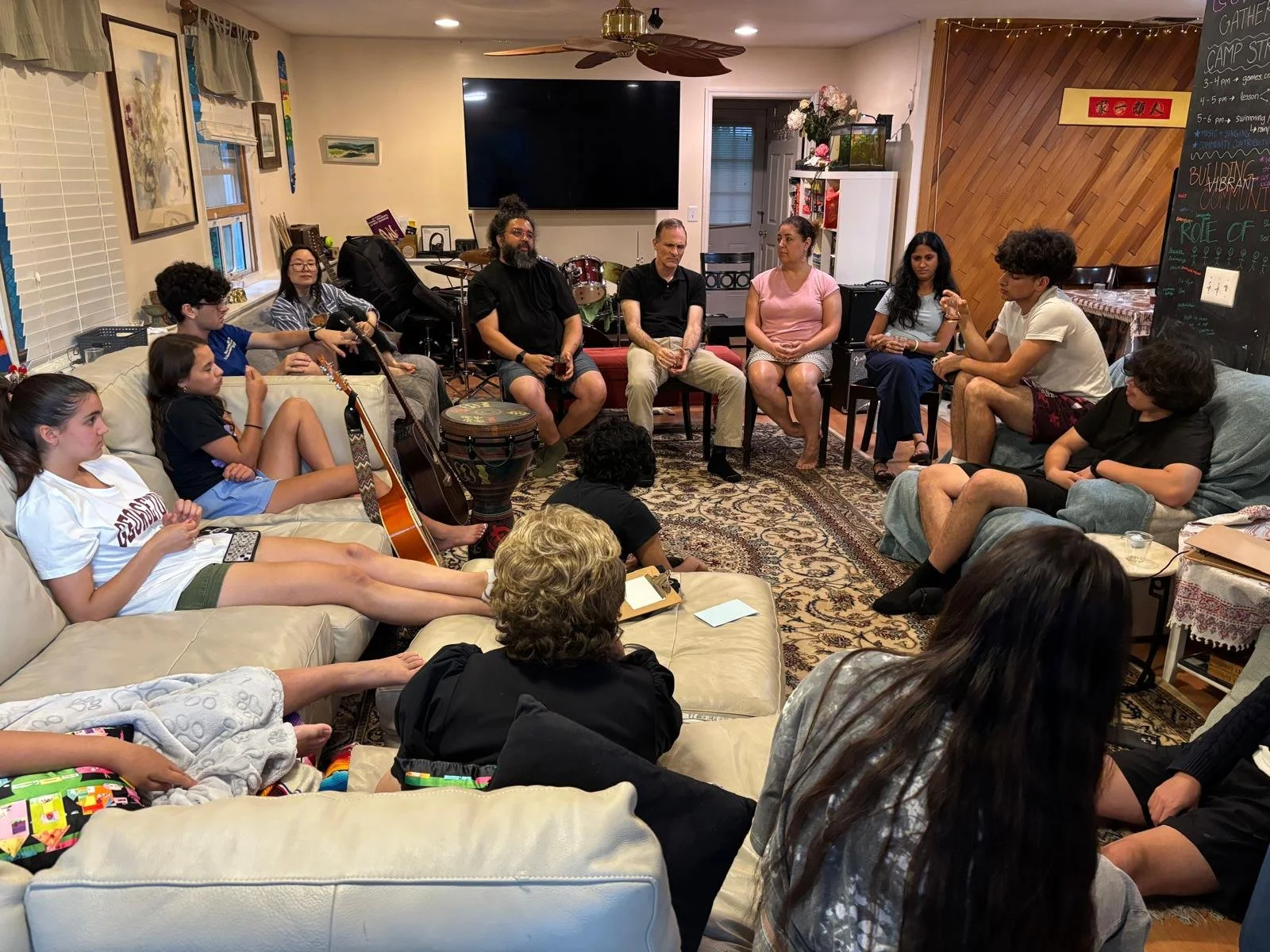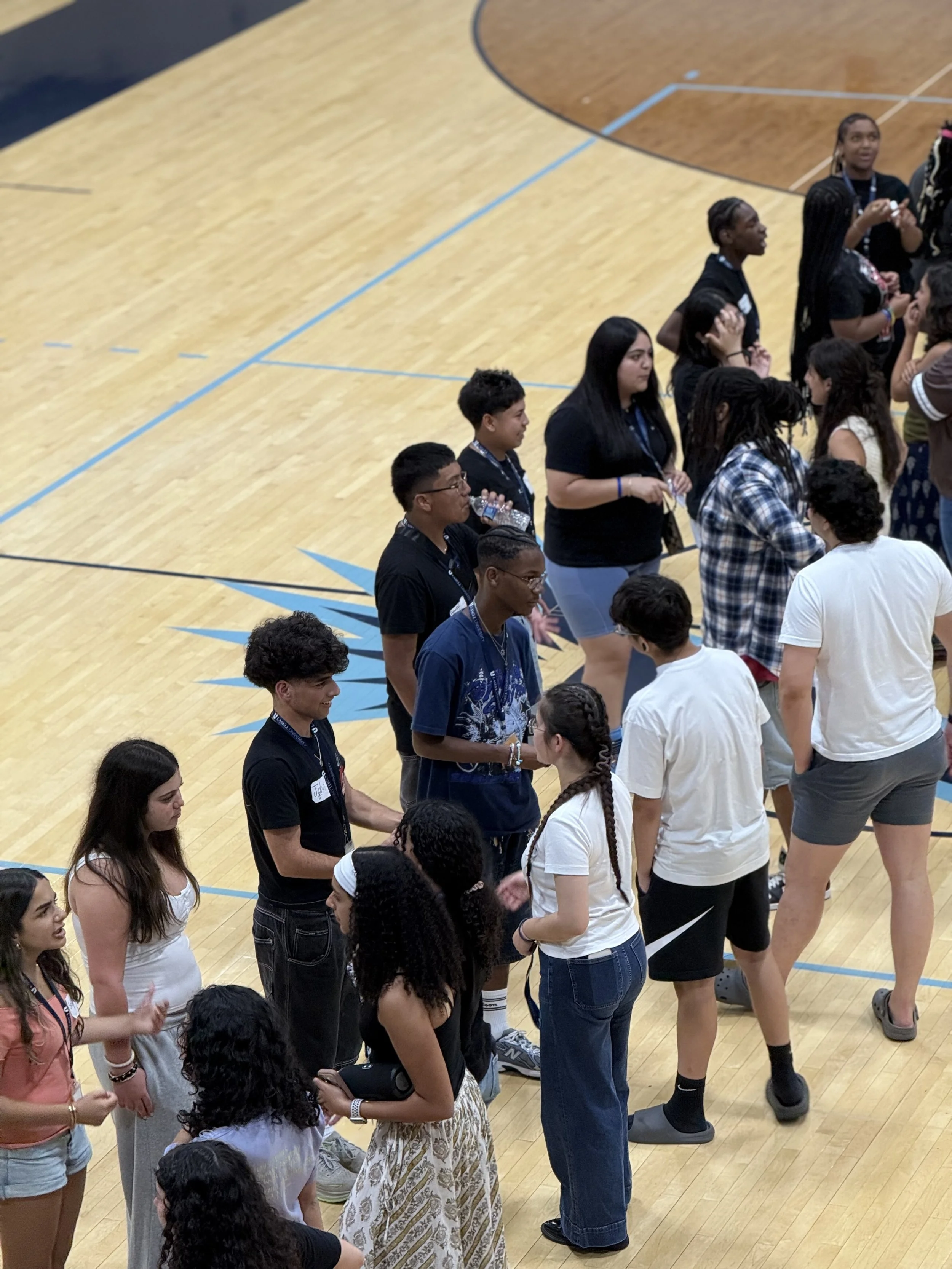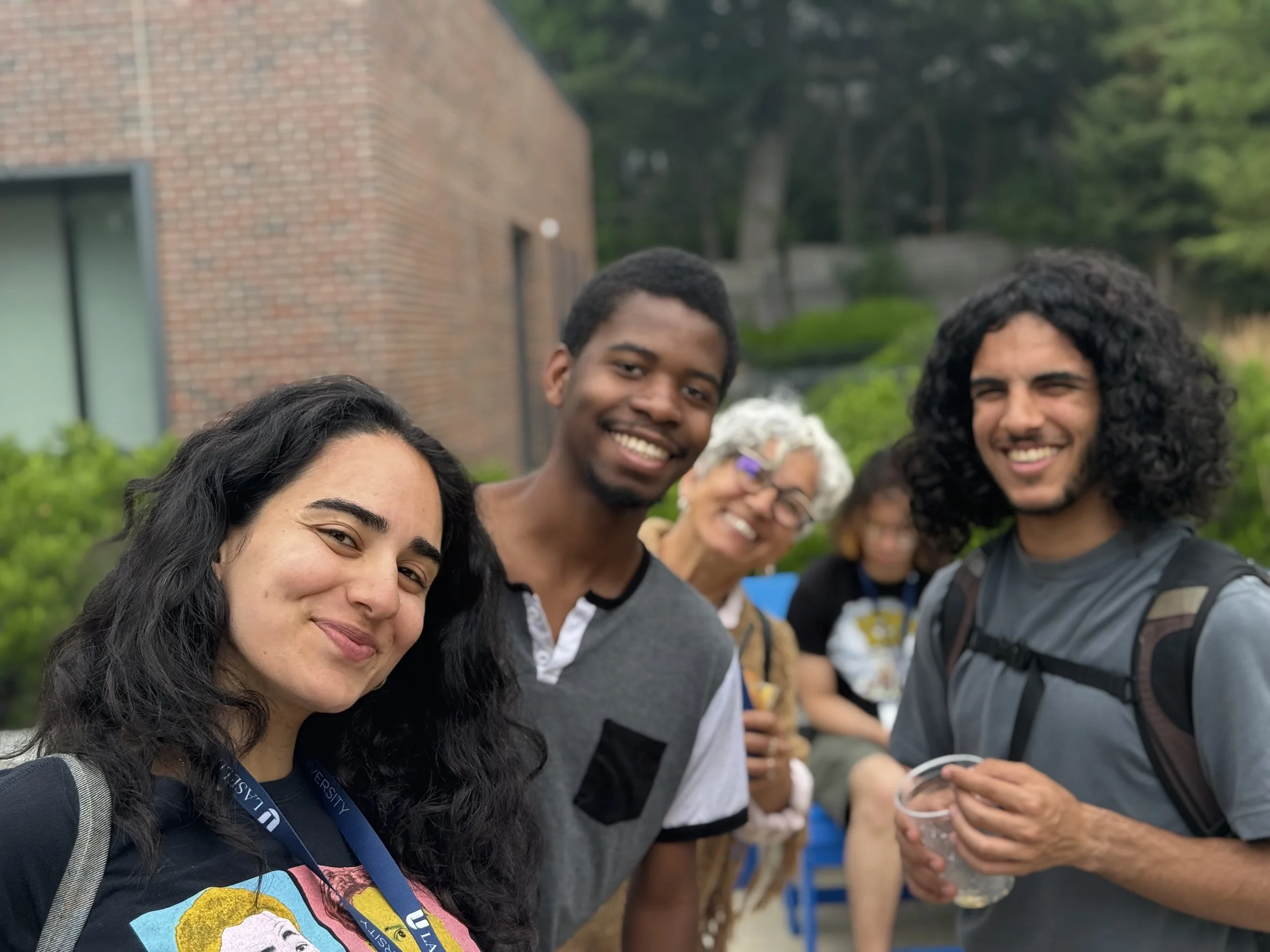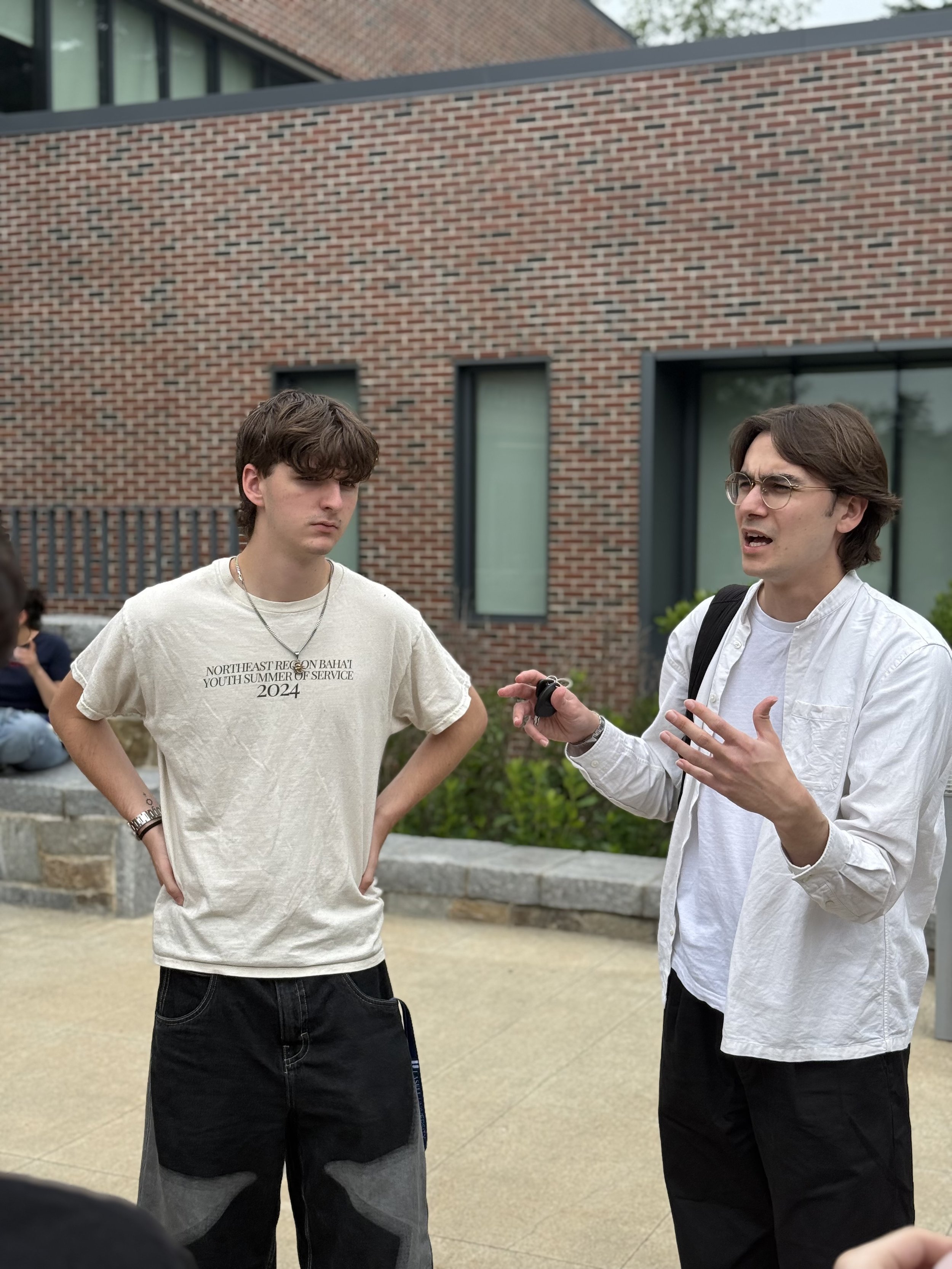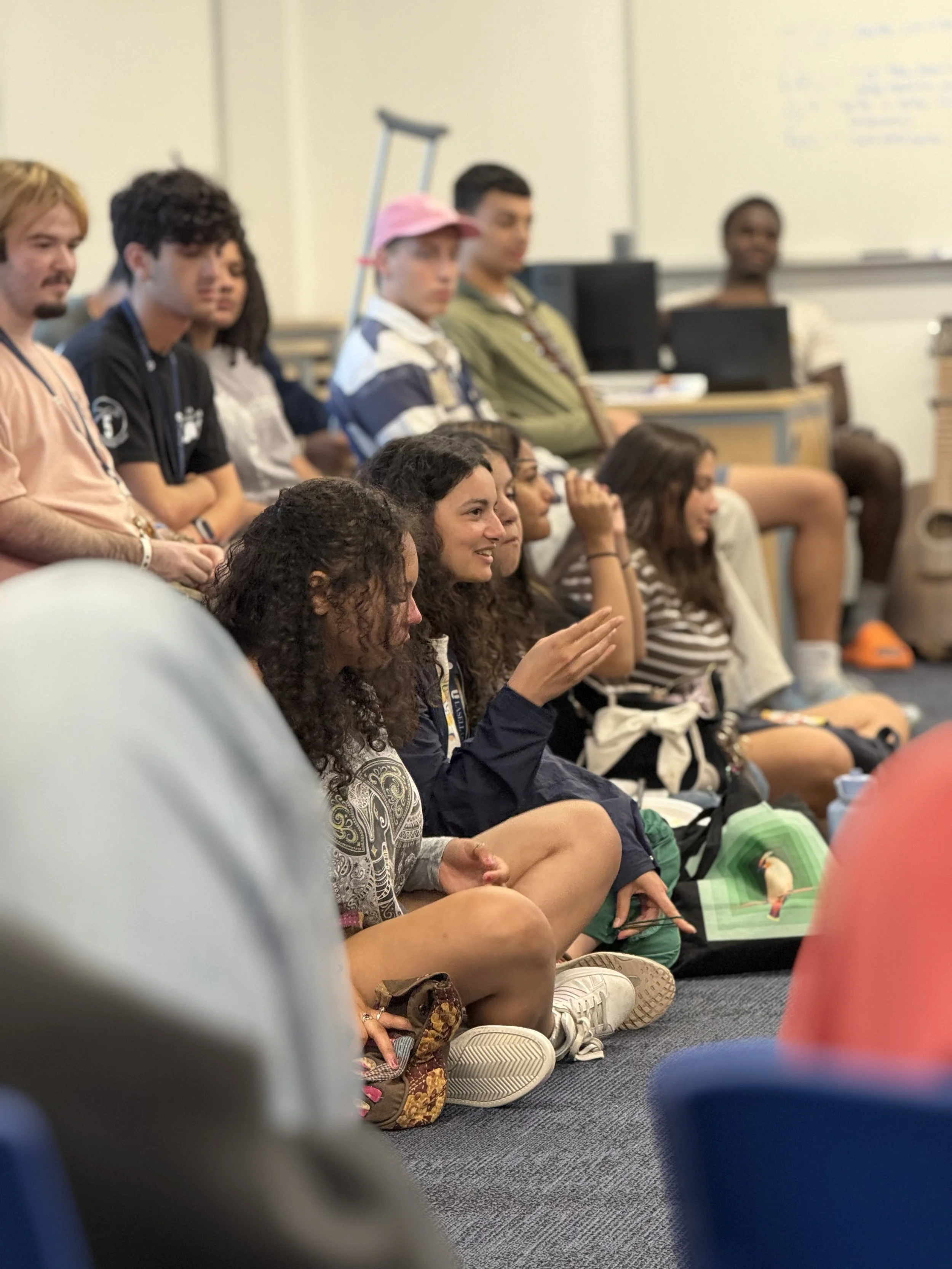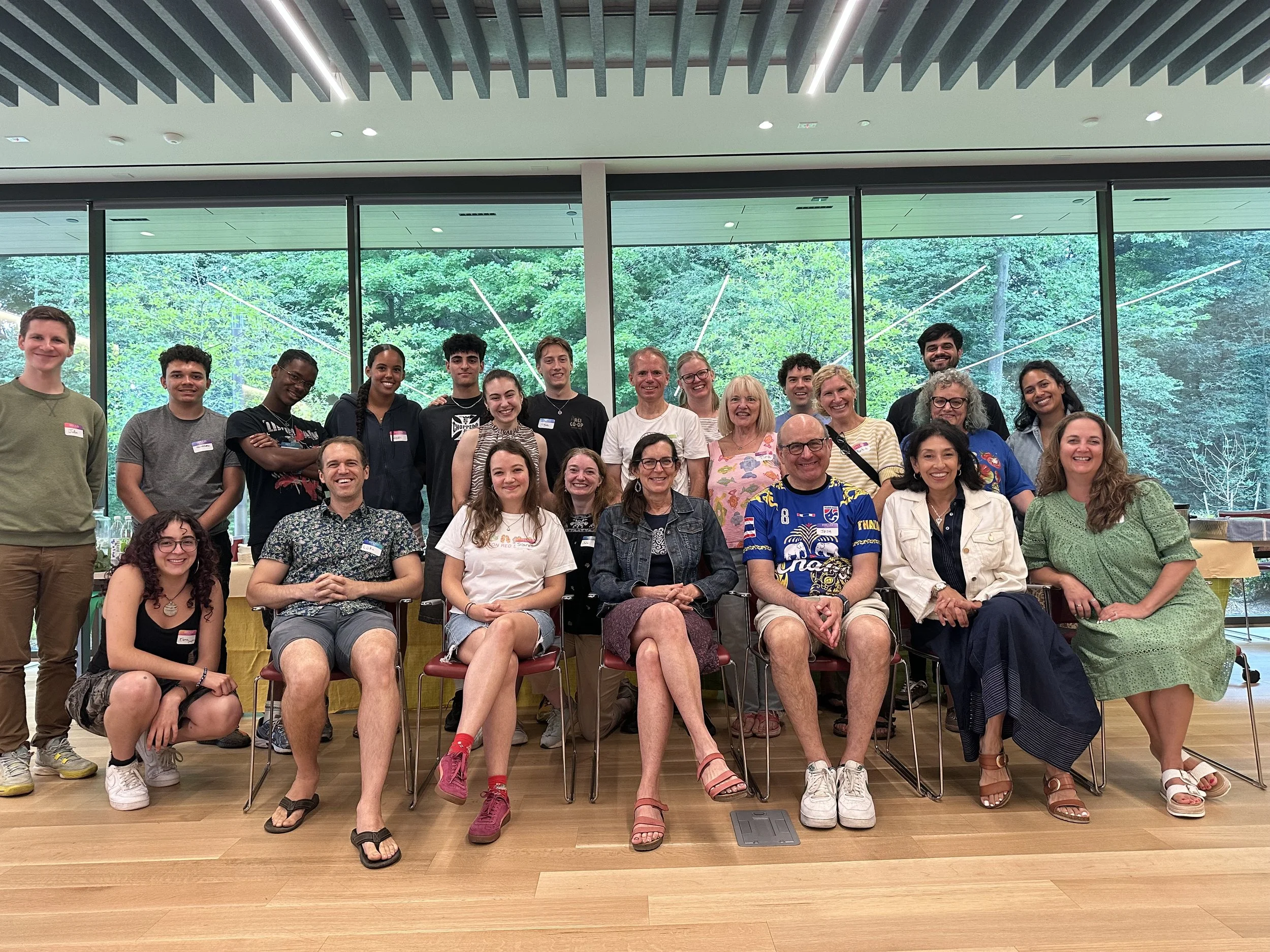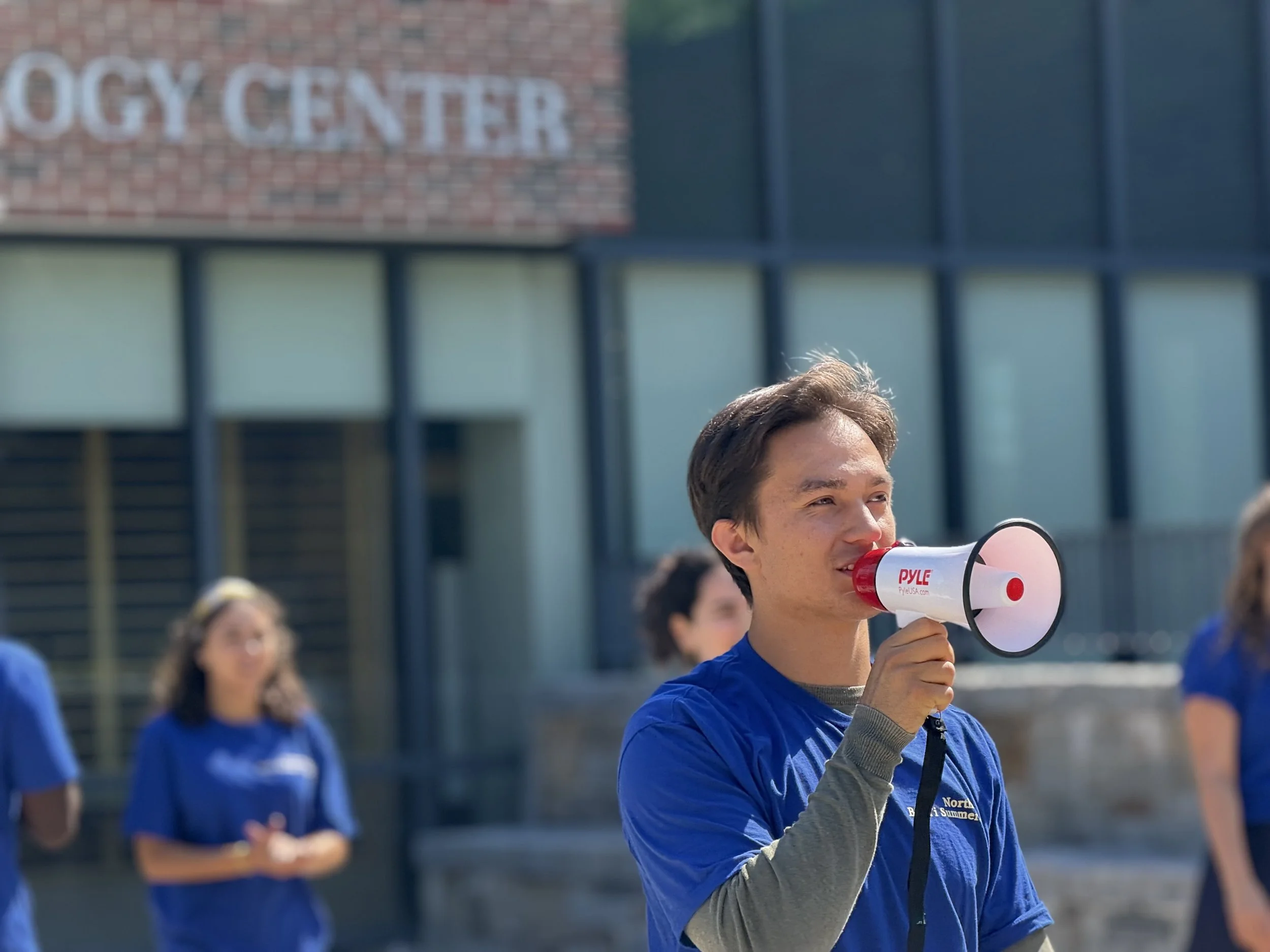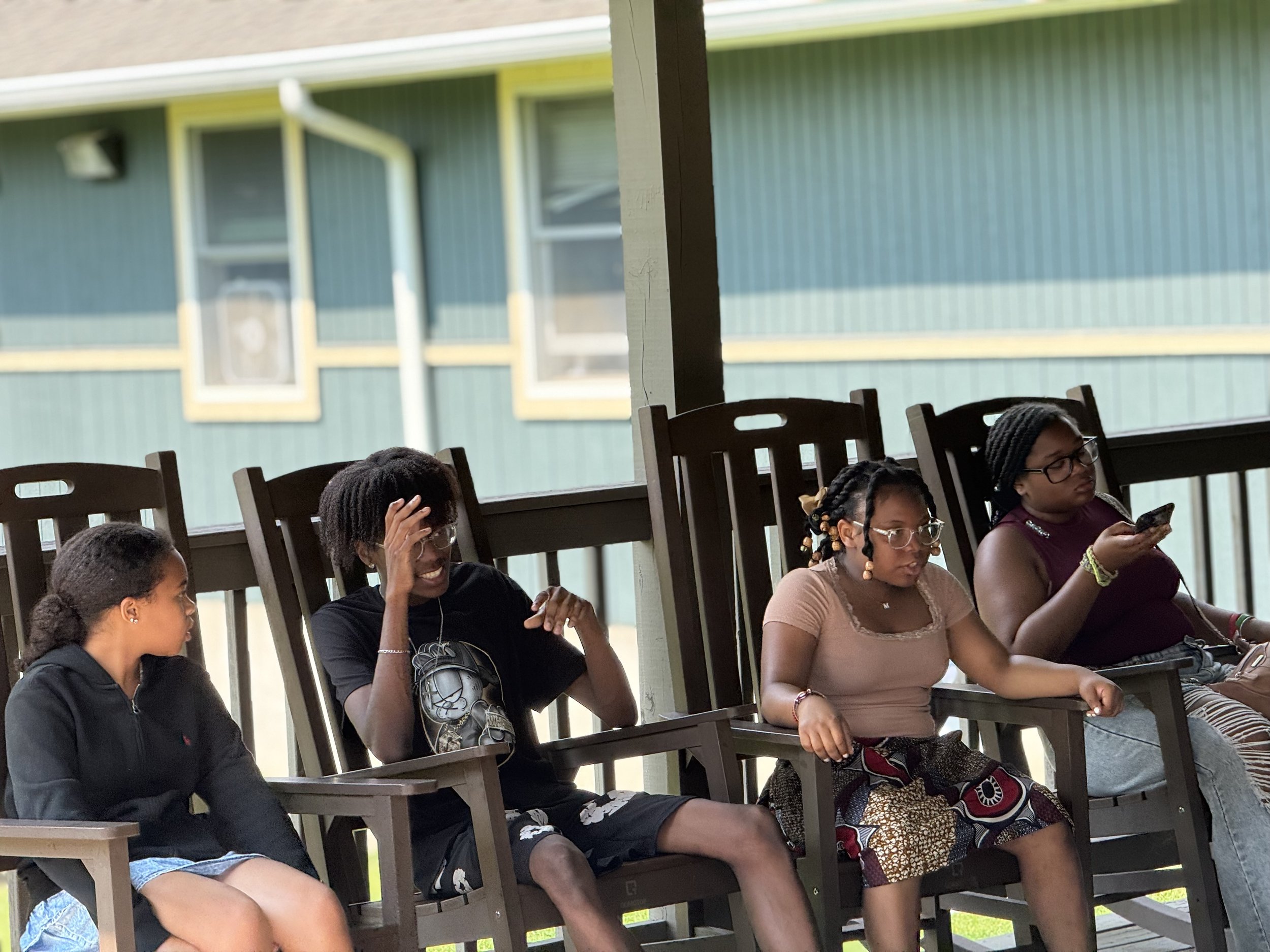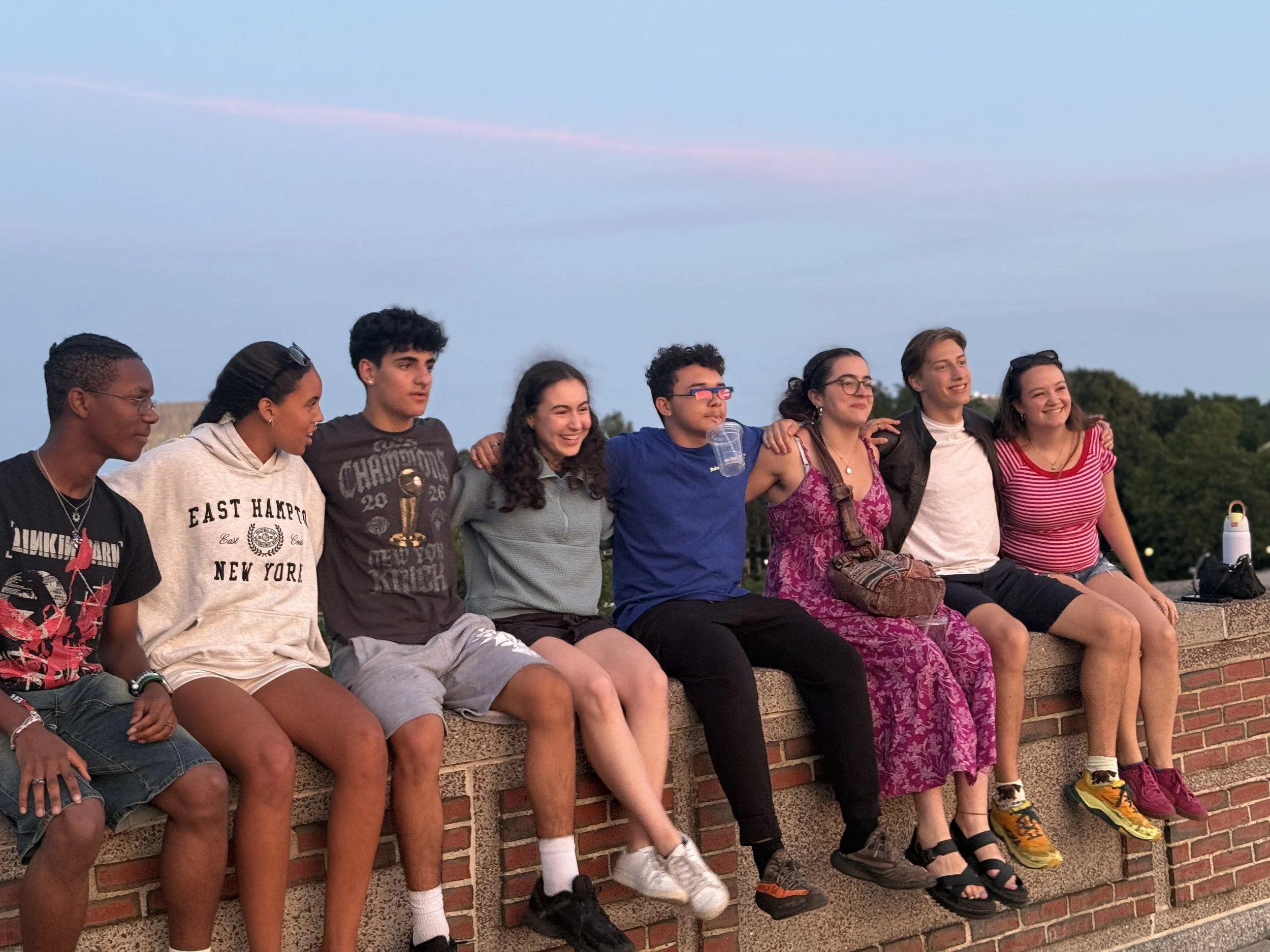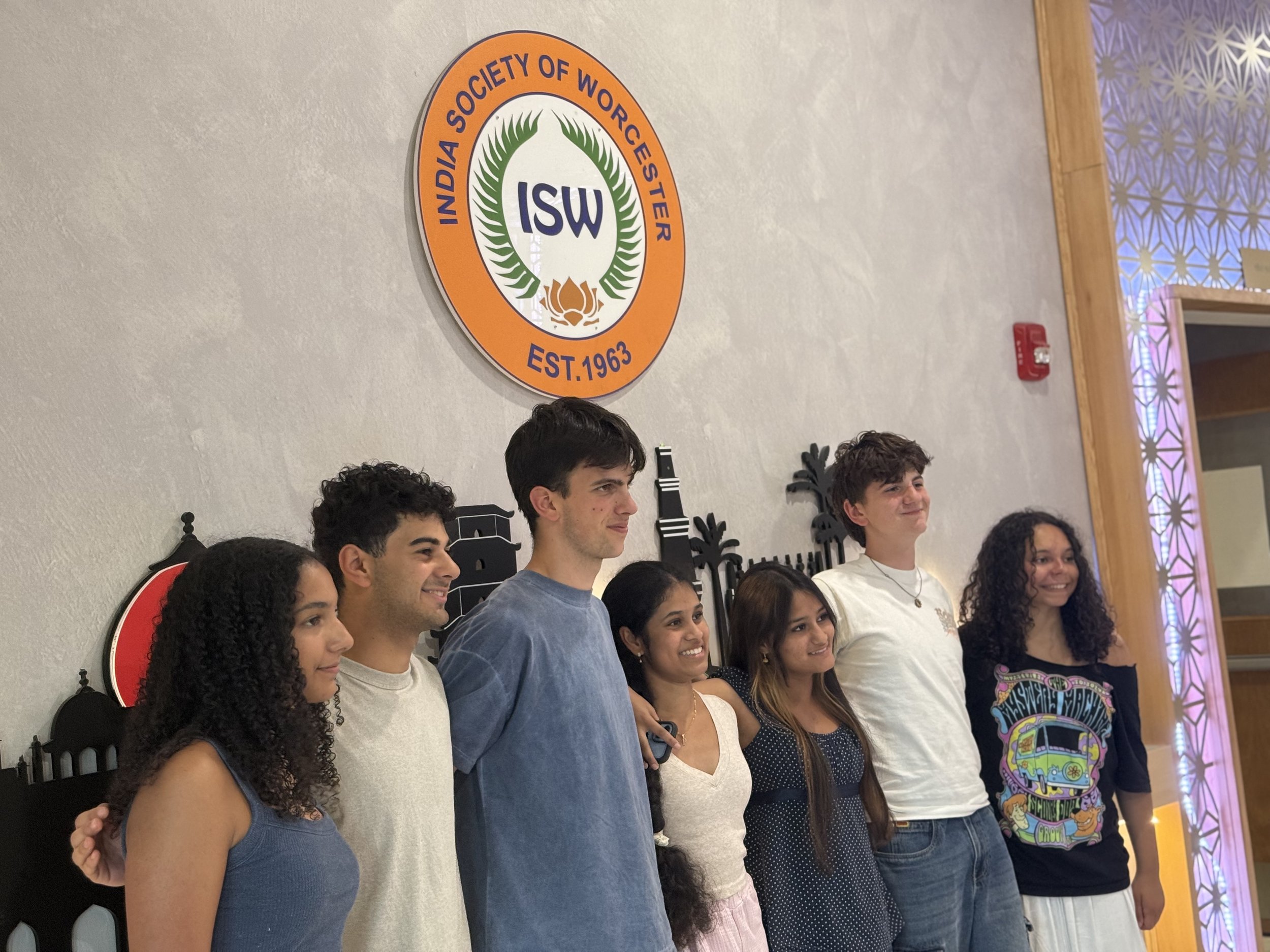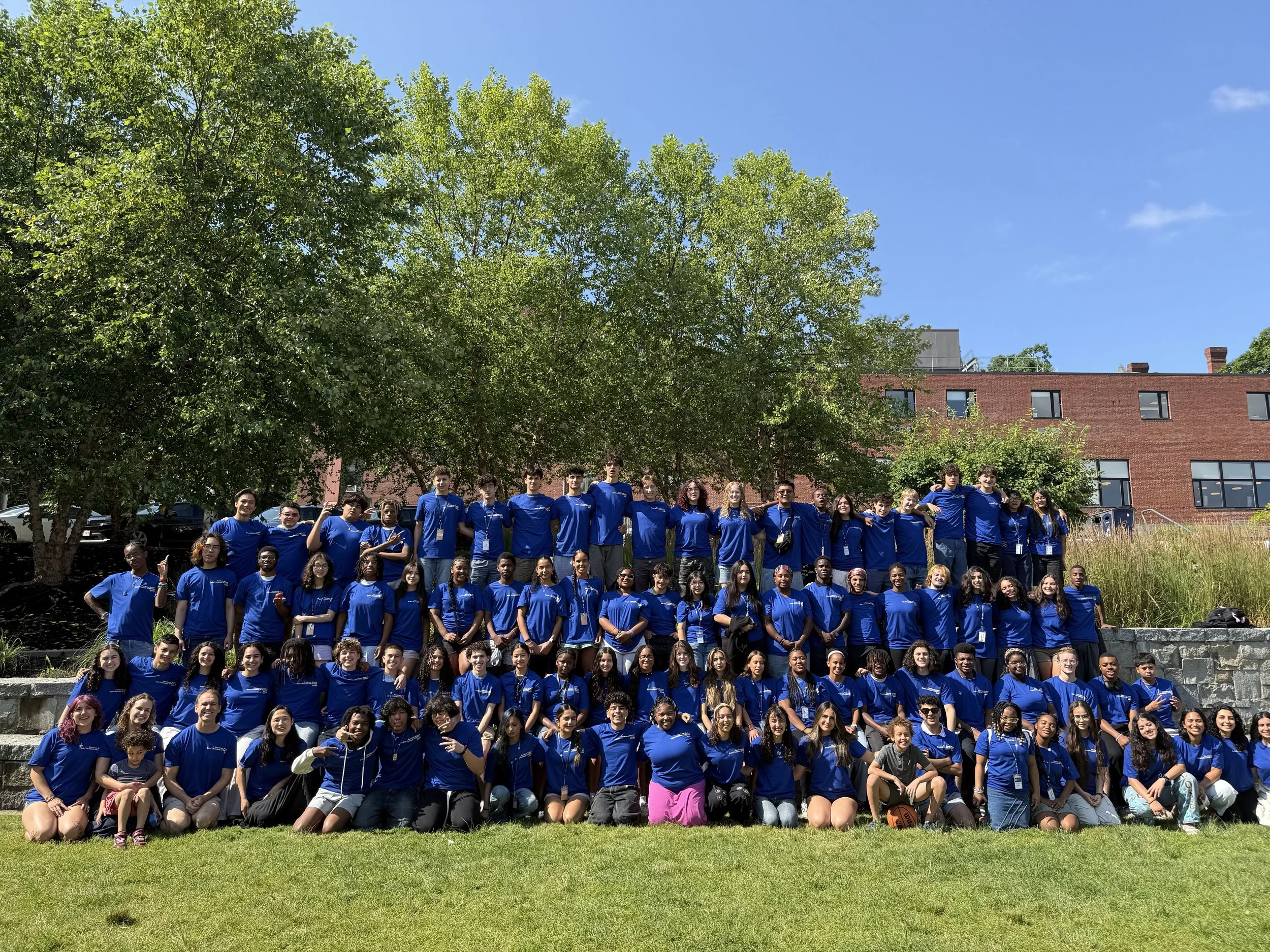
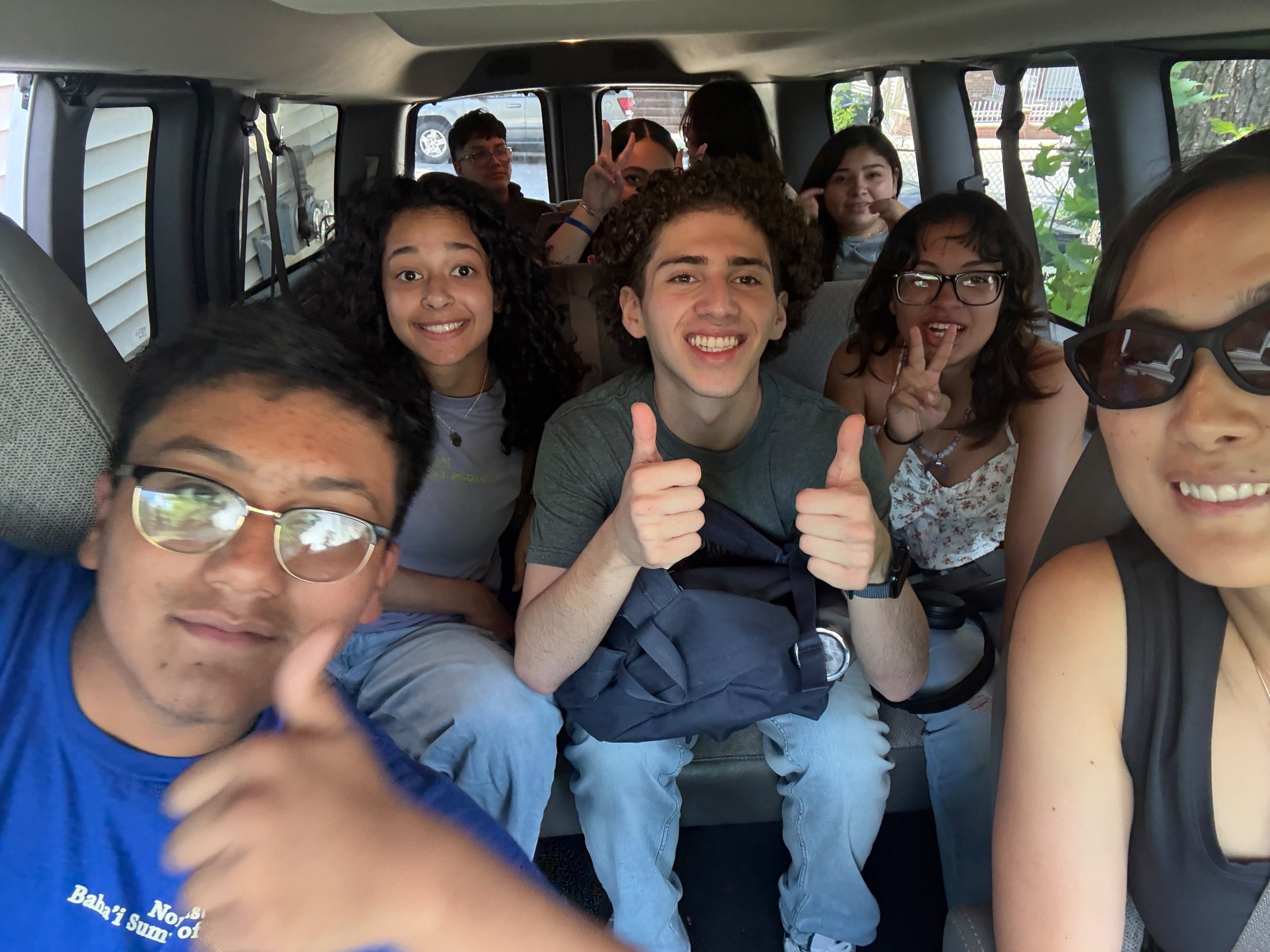
This year’s Summer of Service program saw a dynamic contingent of nearly a hundred youth from across the region freely give a month of their summer to work towards the betterment of their communities. Around eighty youth and sixteen older junior youth — accompanied by facilitators, hosts, neighborhood teams, and friends — worked together in seventeen neighborhoods in cities and towns across the Northeast to host children’s classes and junior youth groups, family festivals and devotional gatherings, and have conversations about how to bring about positive change in their communities, all in sacrificial service to Bahá’u’lláh.
Summer of Service in the Numbers
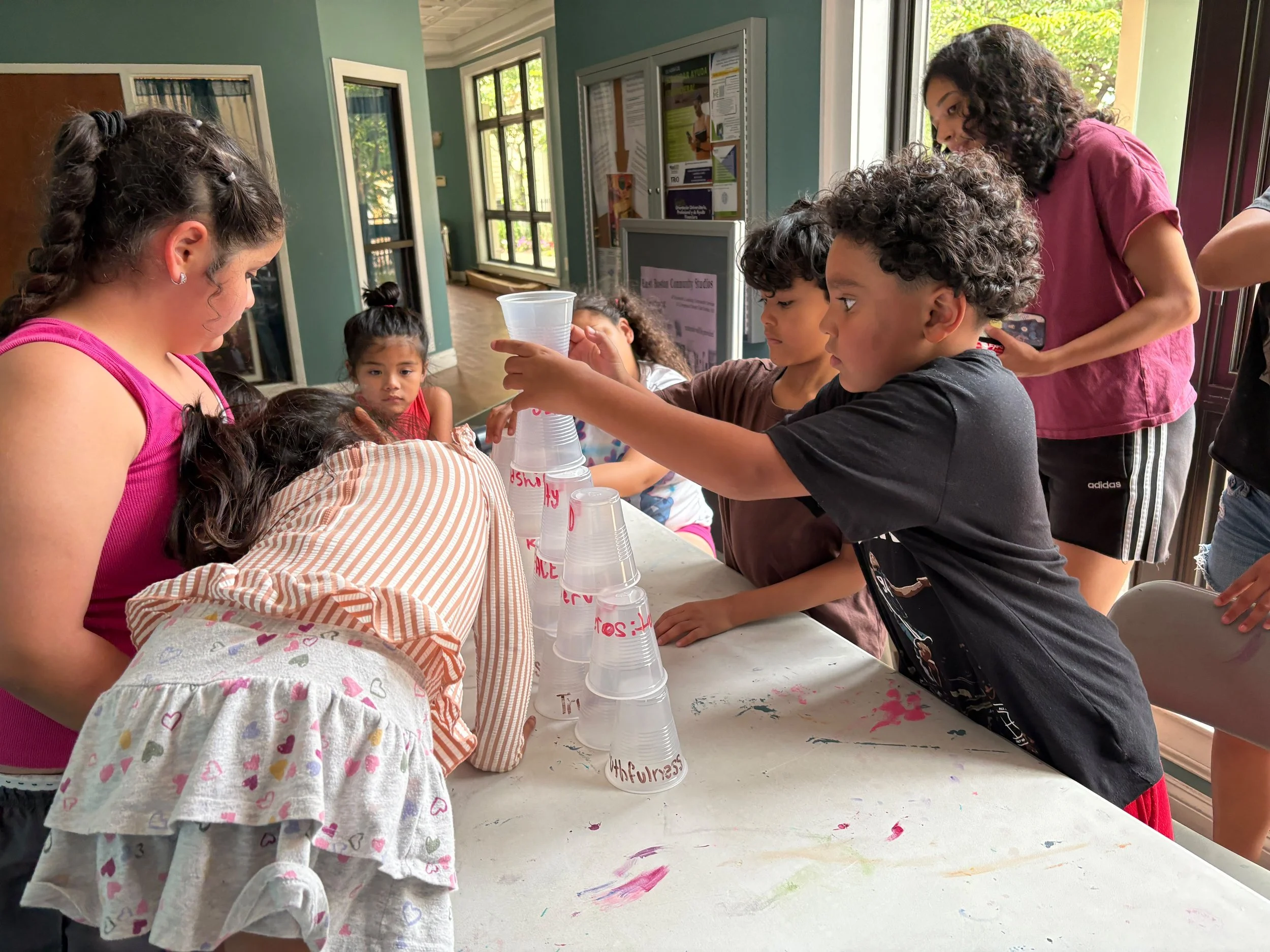
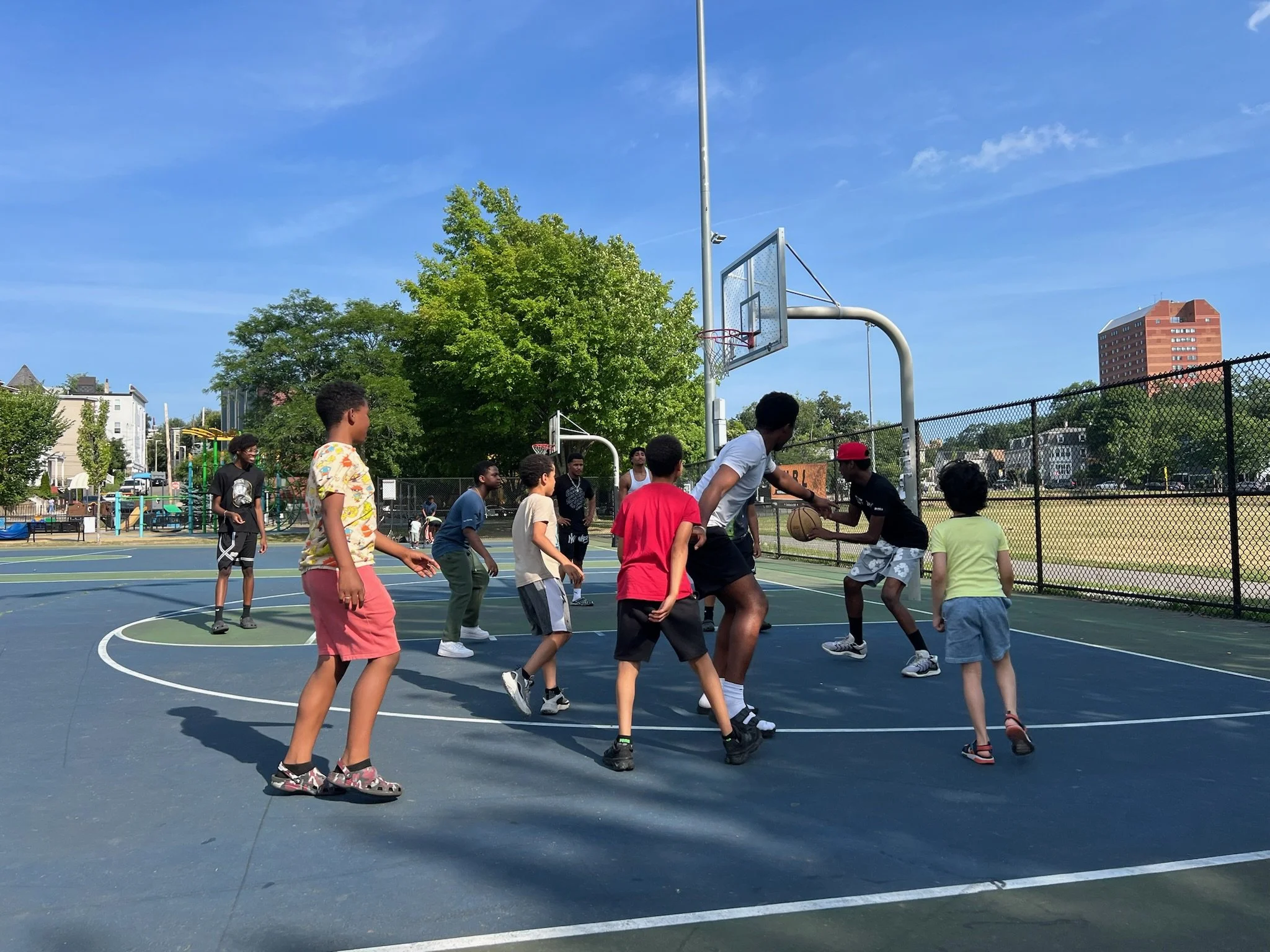
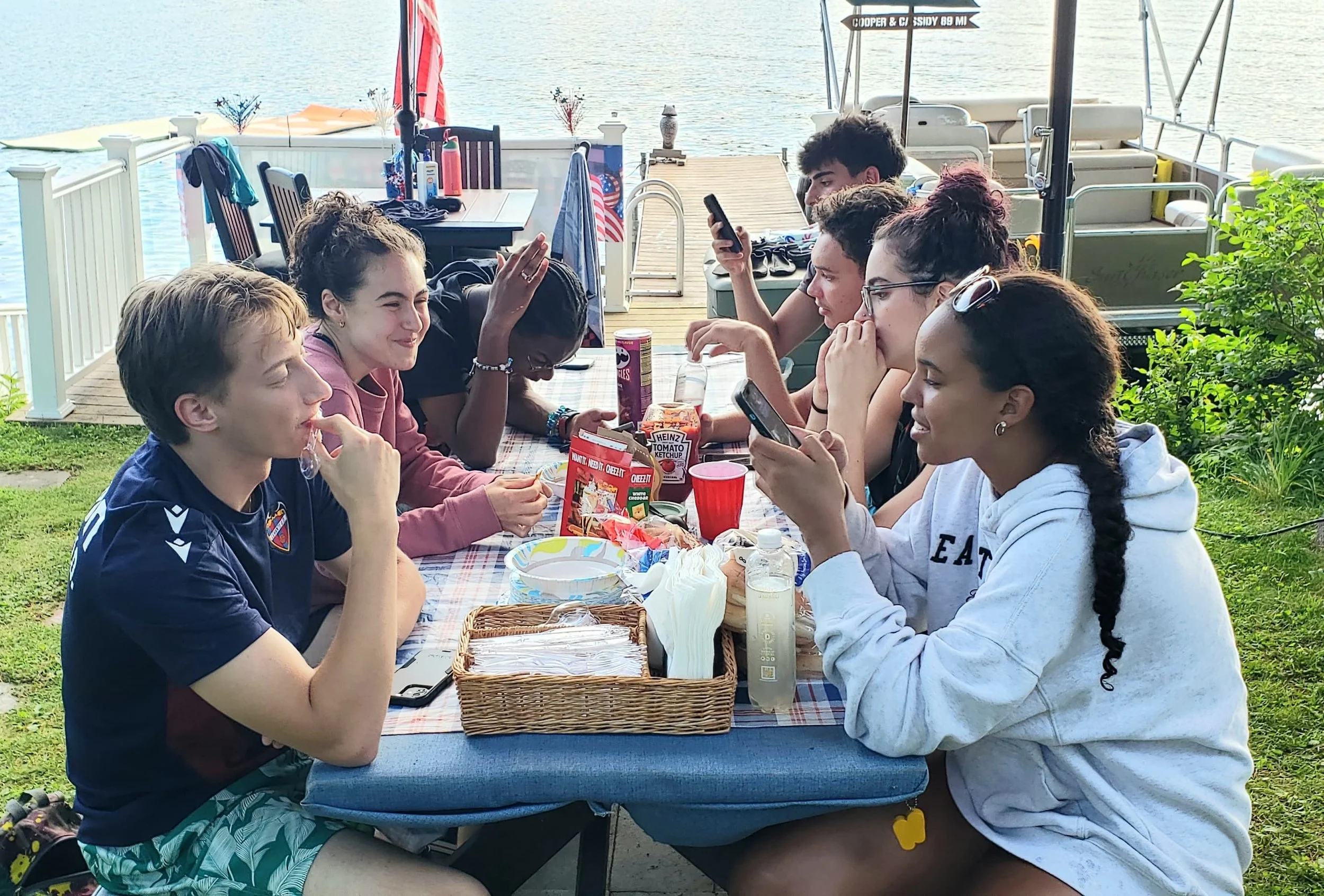
The 2026 program marked a significant expansion for the regional initiative, which in its current form began five years ago with only a handful of youth in Boston. In 2026, participation rose to 97 total youth participants, up from 77 in 2025 and 48 in 2024. Similar degrees of growth occurred in various other aspects of the program:
During the main part of the program, groups of youth spent their time in seventeen total neighborhoods across ten communities, up from a dozen neighborhoods in eight communities last year.
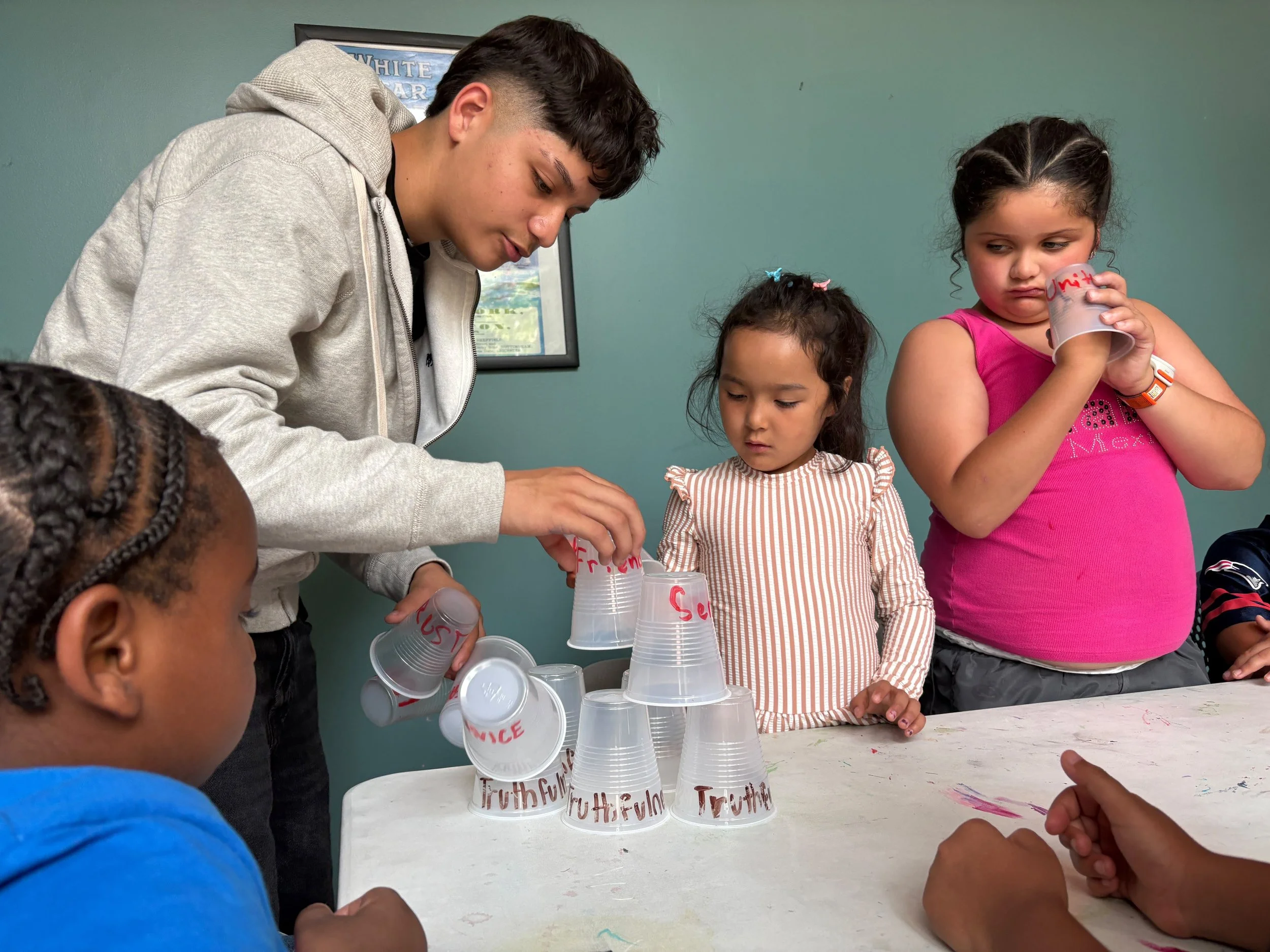
Classes and camps for children welcomed 226 children this year, of whom 123 were new participants, resulting in the formation of fourteen new classes.
Junior youth groups engaged 119 junior youth, including fifty-seven new junior youth, and six new groups were established.
Participants came from across the Northeast: Nearly half of Summer of Service 2026 participants came from subregion 1 (which comprises New England), nearly a quarter from subregion 4 (central New Jersey and eastern Pennsylvania), and about a sixth each from subregion 2 (upstate New York and western Pennsylvania) and subregion 3 (including New York City, Connecticut, and northern New Jersey). Notably, forty percent of all participants were friends of the Faith.
To handle this level of growth and complexity, 25 youth facilitators stepped forward to lead, a significant increase from 15 in 2025 and 10 in 2024.
Better Understanding the Purpose of Youth
In a society that often treats youth as a period solely for amusement or a merely preparatory period before the “real” life of adulthood, Summer of Service helps participants think more deeply on what it means to lead a coherent life centered on service. And it gives them a growing sense of hope and optimism for the future.
For many participants, centering their summer around efforts to refine their own character while contributing to the transformation of society dissolved many of the false dichotomies that emerged from the various pressures on their time.
One participant explained how the attitudes fostered by Summer of Service helped relieve the pressure she faced at school to prioritize individual advancement: “I was even hesitant to come to Summer of Service this year because I was like, I need to get an internship, start a summer job, work on resume building. But it's also our job, especially as youth, to serve our communities and to try to make a difference where we are instead of just focusing on one thing.”
Another participant shared that Summer of Service helped him re-evaluate the choices he was making, saying, “It's made me recognize the responsibility that I have in forming the character that I want to have … we have free will and we can either obey our lower nature, which is just like, ‘Oh yeah, eat, get the most for yourself, me me me,’ or we can really serve humanity and be in service of a bigger cause.”
This same participant commented on how the program helped him gain fortitude in the face of challenges and strengthen his mental health, particularly his tendencies to be dragged down in excessively self-critical patterns of thought and feelings of inadequacy, a pattern he recognizes in many of his peers at school. “It’s good to know what you’re feeling and how you can deal with it, but it gets to the point where it just feeds into the ego. It’s just like thinking about yourself constantly. I’ve learned to talk through with peers, because a lot of people have felt this way, and tell them that a really good way to avoid this thinking is literally just serving others.”
He went on, “Whenever you’re thinking, ‘oh, how am I feeling?’, just help someone out. We know true joy comes from serving. So why are we so pent up about all these random things that at the end of the day don’t really matter?”
Adopting this attitude begins to change how participants see both themselves and others and have hope for the future. One facilitator shared, “When you become an animator, you realize that there is so much potential in the world and in everyone. And then you have to have hope because you know that there has to be a future for these young ones … all this hopelessness goes away.”
Learning to Read Reality and Junior Summer of Service Pilot
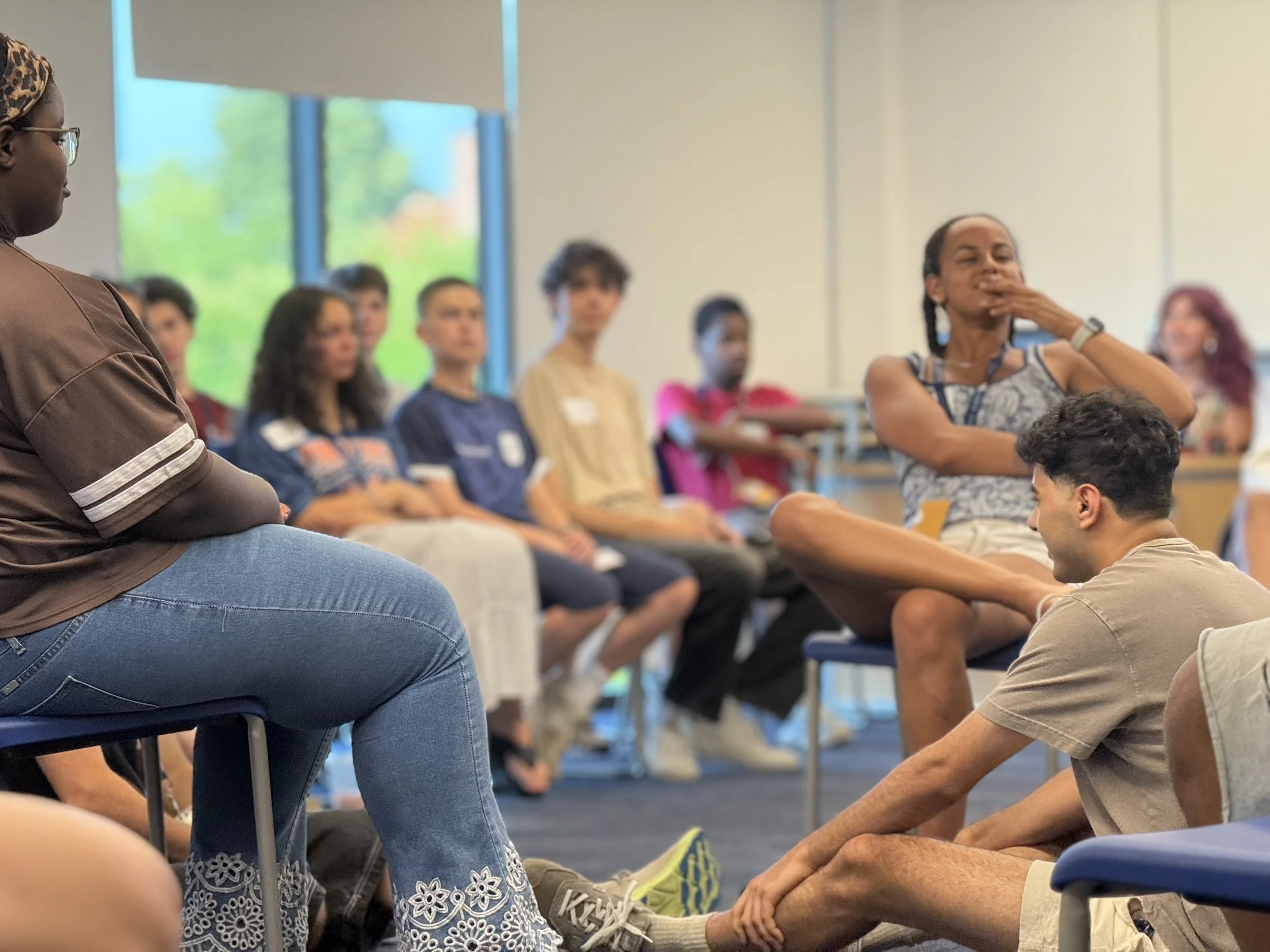
A core theme emphasized by the materials and approach of Summer of Service is to aid participants to grow in their ability to read their own reality. This means getting to know the community you live in, what the needs, aspirations, and capacities are among those who live there, and work systematically to make it a better place. Rather than applying generic, top-down solutions, participants got to know people and consulted together on how to take action.
One facilitator, serving in his home community, emphasized the critical importance of this approach in building trust: "Introducing these youth to the term 'reading your reality' means getting to know a people and a community at a deeper level, so that when you do try to make change, you're very conscious of what's at stake and who's involved … If you aren't from a place, you really have to make an effort to get to know them.”
“In the transformative alembic of these spaces, to the extent possible, individuals and communities become protagonists of their own development, an embrace of the oneness of humanity banishes prejudice and otherness, the spiritual dimension of human life is fostered through adherence to principle and strengthening of the community’s devotional character, and the capacity for learning is developed and directed towards personal and social transformation. The effort to understand the implications of what Bahá’u’lláh has revealed and to apply His healing remedy has now become more explicit, more deliberate, and an indelible part of Bahá’í culture.” (Universal House of Justice, 28 November 2023 - To the Bahá’ís of the World)
These principles were exhibited in this year’s Junior Summer of Service pilot program, which, for the first time, opened up availability to older junior youth (at least fourteen years old) to participate in a shortened version of the main Summer of Service program. Seventeen junior youth participated this year, studying the text Rays of Light and engaging in service projects and field trips to get to know their local communities. For the junior youth in Chelsea, a city in the Boston area, participants interviewed members of the local population and visited organizations including the Chelsea Police Department and rehabilitation programs for juveniles.
And in another example, in Portsmouth, NH, the group held a bake sale and raised $150 to repair a broken soccer net, only to learn from the local recreation department that the city would replace the net itself. The group immediately pivoted, redirecting their efforts and funds to tackle the neighborhood's broken water fountain instead.
Piloting an Internship-Style Track
In another first this year, three of the ten communities participating in Summer of Service experimented with a dual-focus internship model, combining community-building activities and study with career-focused workshops. These neighborhoods were Roxbury and Chelsea in the Boston cluster and Shrewsbury in Worcester cluster. All recognized that youth local to their neighborhoods would benefit from a more formalized structure and had certain needs for professional and educational development. Workshops covered topics such as resume writing, education leadership, career development, finances, and technology. At the end of the internship, the youth finished with a certificate of completion detailing their service hours as well as a letter of recommendation.
New Neighborhoods Opened
To expand beyond their single established neighborhood pocket, the Chelsea team identified a nearby park as an ideal new site due to its central location and surrounding apartment complexes where many families live. To engage the community, youth set up a table with children's class materials and art supplies and circulated to invite nearby families to classes that would occur immediately every day for a week. With these intensive efforts, they built strong momentum and met many new families.
In another part of Boston, a local couple had established a connection with the director of a nearby housing complex, allowing the Summer of Service team to run camps for children regularly attending the community center's summer program. On the first day, the team quickly and flexibly adapted their program content to accommodate sensitivities around religion and prayer raised by the youth staff. Because of this flexibility, the program was a major success, and the director is now open to continuing the classes year-round as an afterschool program.
And in Watertown, another city in the greater Boston area, a local Bahá'í mother who had lived in there for over 20 years, helped a team of Summer of Service youth organize a one-week “spiritual soccer camp” to tap into the neighborhood's strong interest in soccer. Youth conducted outreach in a local park, explaining to parents that the camp would uniquely focus on developing moral virtues like compassion, empathy, and perseverance both on and off the field. The effort successfully drew in more than 16 children and junior youth, uniting local families and creating many new opportunities for the local group working in that neighborhood year-round.
At the Center of an Ongoing Process
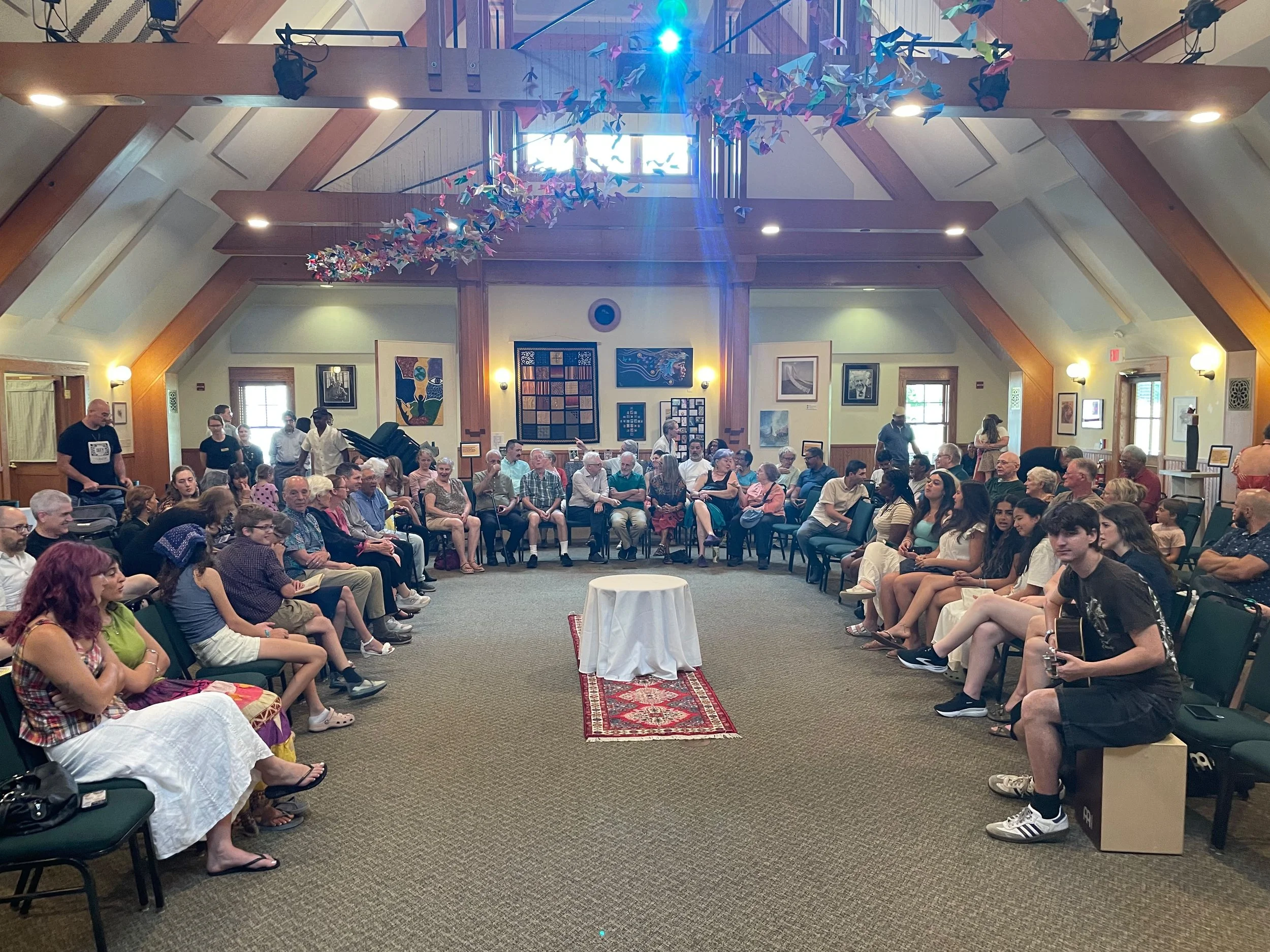
As the month of service drew to a close with a celebration and reflection gathering in Teaneck, NJ, participants made concrete plans to sustain the vibrant activities initiated during the summer for the rest of year. For many, the profound sense of purpose built during the program is something they intend to carry into their academic and professional futures, as well as their continued work in service of their communities.
One participant from Princeton, NJ, reflected on how the summer changed her perspective as she begins her college applications: "I know my college essay has to have something to do with this because it's always on my mind. I'm thinking, how can I bring this feeling of upliftment and this clear, definite feeling of purpose into what I say when I apply for colleges? How can I make what I'm feeling apparent and share that with other people?”
None of these efforts would be possible without the committed, sacrificial efforts of countless adults and older youth who support Summer of Service not only during the month of the program itself but throughout the rest of the year, through planning, logistical support, and accompaniment of the youth participants in all their other efforts, as well as the dedicated and ongoing work of community-building that continues to gather strength across the Northeast. In gratitude, the Regional Baha’i Council and Northeast Regional Training Institute wrote this letter.